Landlord Decorating
Landlord and HMO Decorating in Richmond
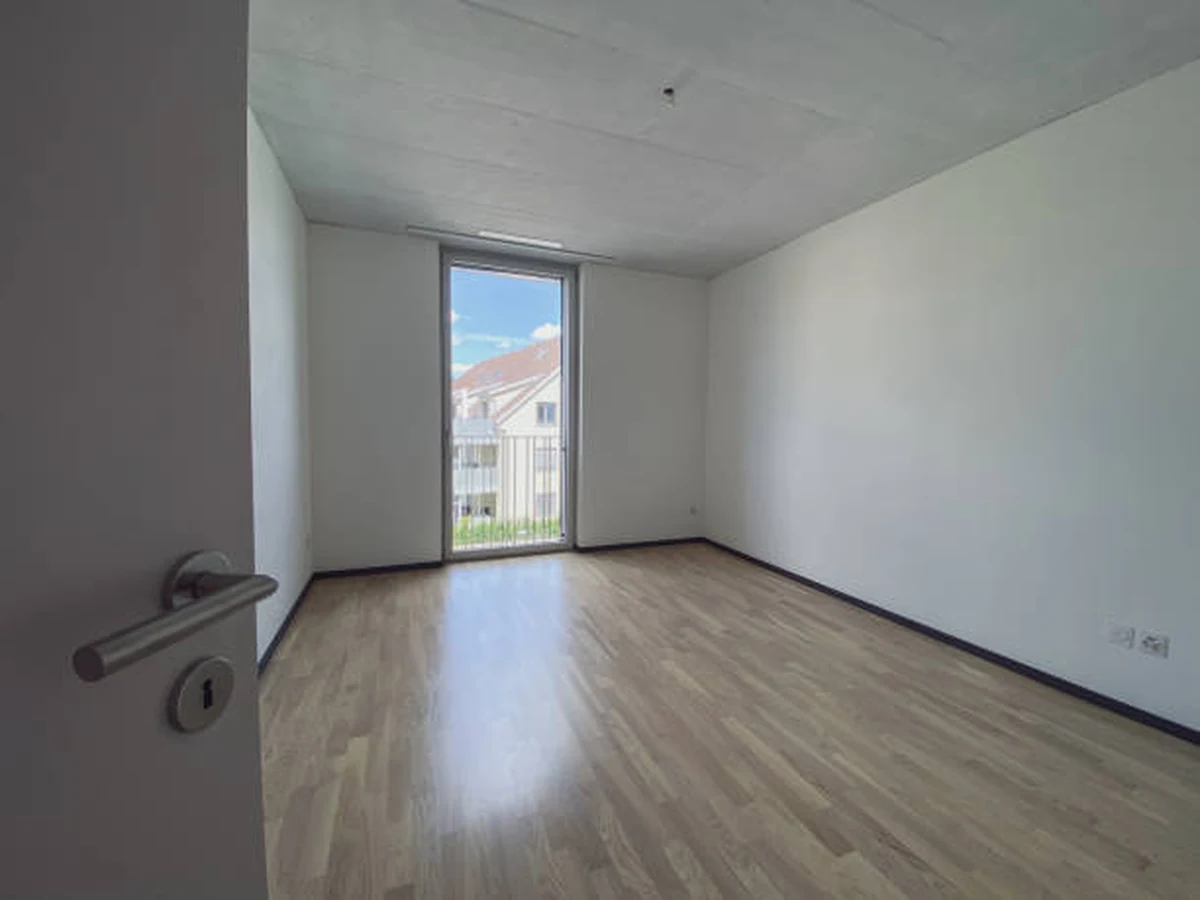
Have a tenant leaving your Richmond rental or HMO and no decorator booked yet?
This page walks you through the job in order.
It covers what fits between tenancies, what affects the price and how the work is recorded for handover.
- Which Decorating Jobs Fit Between Tenancies?
- What Affects the Cost of Landlord and HMO Decorating?
- Can a Lived-In HMO Be Decorated in Stages?
Richmond Decorators connects people in Richmond with a trusted local decorator. Call 020 4572 8995 for a free quote.
Why Choose Us
Why Choose Richmond Decorators
Free Site Quote
Richmond Decorators arranges a free site quote, so the price comes from the rooms you have.
Priced From a Visit
Every property is different, so the honest way to price it is a visit.
Local Introduction
Richmond Decorators connects people in Richmond with a trusted local decorator.
Quote Notes the Rooms
The quote notes the actual rooms, the shared routes and the condition of the surfaces.
Between Tenancies
Which Decorating Jobs Fit Between Tenancies?

Start from the date the next tenant moves in and work backwards. Split the work into what must be done and what can wait.
What must be done is whatever the next tenant will notice at check-in:
- Marked walls. They show up first in the busiest rooms.
- Scuffed skirting boards. They come next in the same rooms.
- Tired paint. It gets a wash and a touch-up if the room can last another year.
An empty property is the best time for a full repaint. With no furniture in the way, walls can be filled, sanded and repainted properly.
If the dates or the budget are tight, the job narrows to the surfaces that wear most. Your decorator can price a full job of interior painting or a shorter touch-up of just the rooms that need it.
Cost Factors
What Affects the Cost of Landlord and HMO Decorating?
Six things decide the price, and none of them can be read off a price list:
- Number and size of rooms. More rooms and more wall mean more days on site.
- Condition. A simple repaint costs less than walls that need filling first.
- Repairs. Cracks, screw holes and stained ceilings are made good before any paint goes on.
- Access. Upper floors, shared entrances and parking all affect how the work is planned.
- Shared stairs and hallways. They add wall to paint and need safe access for residents.
- Type of paint. Washable, hard-wearing paint costs more per tin and lasts longer between repaints.
Every property is different, so the honest way to price it is a visit. Richmond Decorators arranges a free site quote, so the price comes from the rooms you have.
Comparing decorators? Ask each one to price the same rooms, the same shared routes and the same handover record, so that two quotes cover the same job.
Paint Finishes
Which Paint Finishes Survive Rental Wear?
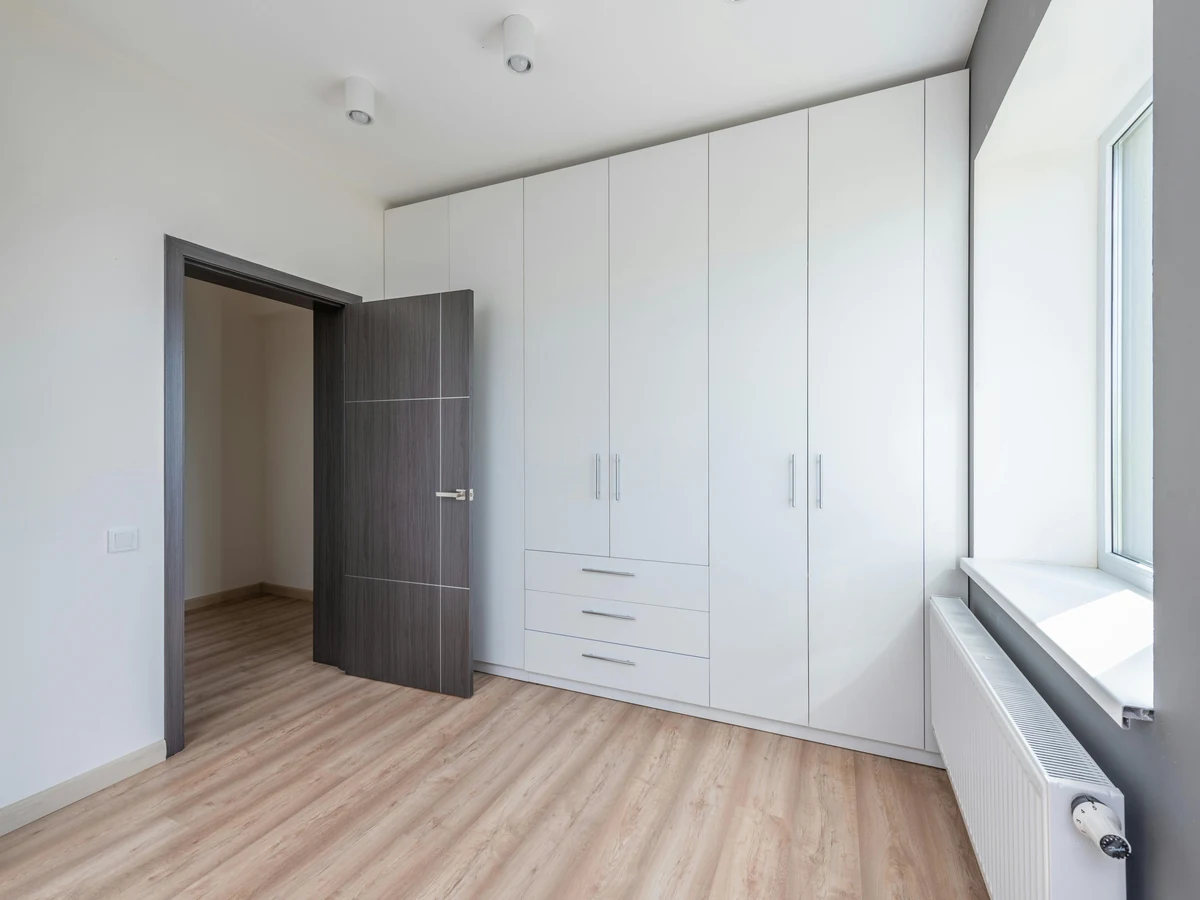
Each type of room wears differently, so each needs its own paint:
- Bedrooms. They take the least punishment and repaint well in a washable matt.
- Bathrooms and kitchens. They need damp-resistant paint that copes with steam and condensation.
- Stairs, hallways and shared rooms. They need the toughest paint, because scuffs, luggage and furniture all end up there.
In a rental, repainting comes round again and again. That makes the choice for each room matter more than it would in a home you own.
Get My Free Quote
Send your room list and get the price for your next handover.
How Should Shared Areas and Fire Doors Be Handled?
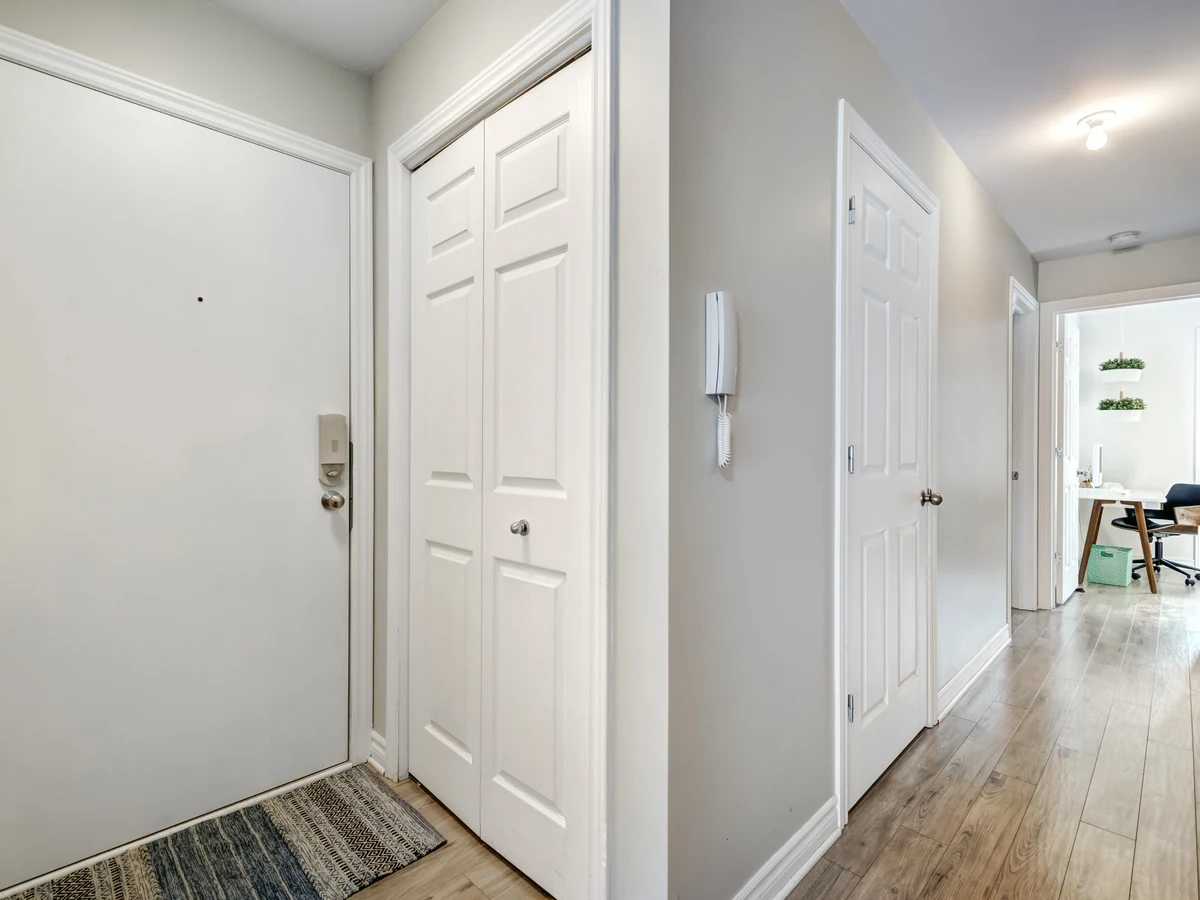
Shared areas are planned as a job of their own, not tacked on after the bedrooms. Stairs, landings and hallways get scuffed at hand height along the wall.
Skirting boards, handrails and door frames on those routes need the hard-wearing treatment. Access is planned around residents coming and going.
Painting the face of a fire door is normal door painting. Anything that affects how the door protects against fire is not.
Fire-resistant seals, self-closing devices, hinges and signs are controlled parts. Specialist or compliance work on them stays with the competent owner. The quote notes where these doors are and what is included for each.
Condition Record
How Is the Condition Recorded for Checkout and Handover?
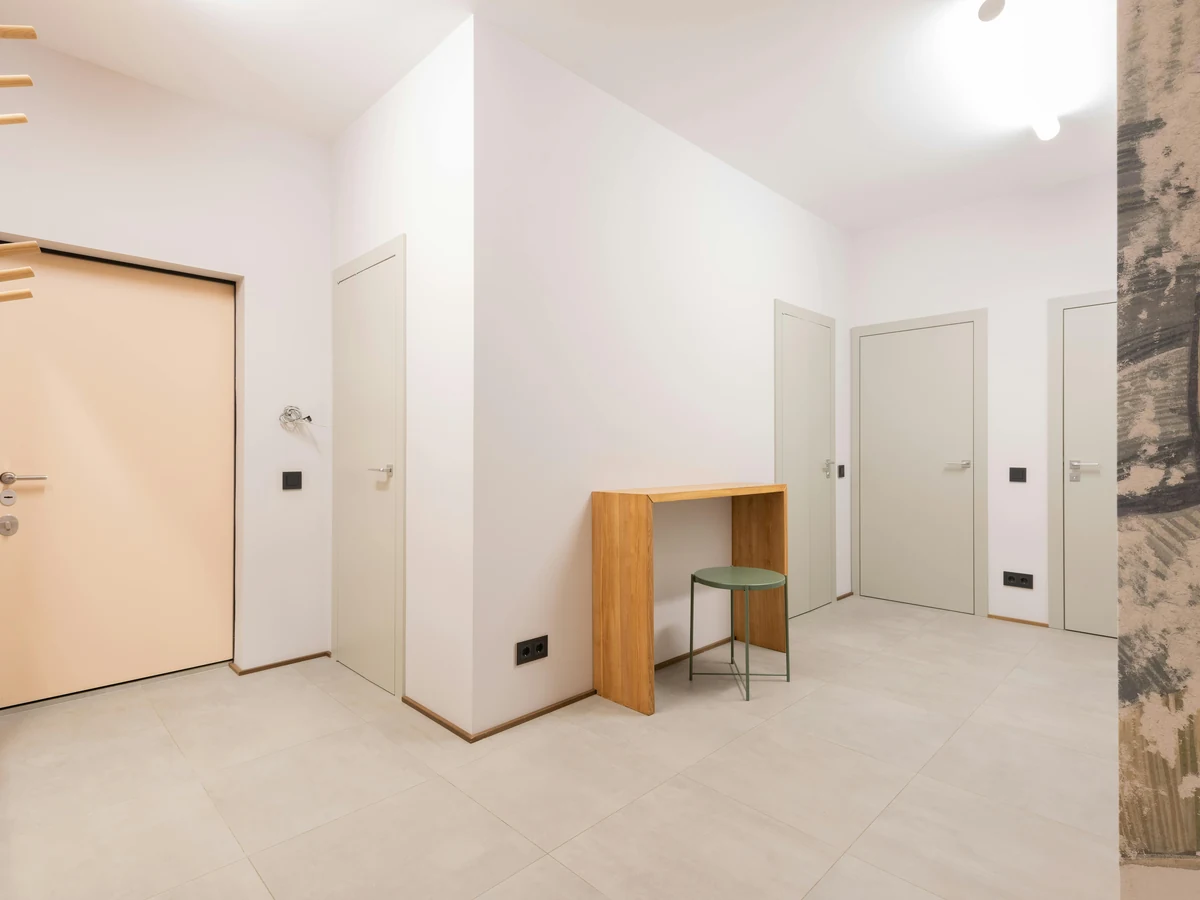
A clear record makes the next changeover easier. It can include three things:
- Before-and-after photographs. They show the condition of each room at handover.
- Written changes. They record anything altered after the quote, such as an extra room.
- A list of small fixes. It records anything still outstanding at the end.
This is not legal advice, and it does not settle a deposit dispute. It gives both sides one shared record, and that is often enough to shrink or end a disagreement.
Get My Free Quote
Ask for the rooms, the shared routes and the access to be covered.
Richmond Checks
What Do Landlords in Richmond Need to Check About Licensing and Access?
Richmond has its own rules for houses in multiple occupation, and they are your responsibility as the owner. The decorator looks at the building, and the council decides its status.
Richmond Council says licensing criteria can include five or more occupiers from two or more households who share amenities. Exemptions apply. Confirm the number of occupiers, any exemptions and your licence position with the council.
The council also identifies a separate planning checkpoint for HMOs occupied by seven or more people. Planning and licensing checks are separate from the quote.
The quote should note the actual rooms, the shared routes, how residents get in and out, and the condition of the surfaces. Those details change the job more than the licence type does, and they can only come from a visit.
Staged Work
Can a Lived-In HMO Be Decorated in Stages?

Yes, it can be done in stages. Four things decide whether that suits your property:
- Notice to residents. Rooms cannot be worked on without agreement from the people living there.
- Order of rooms. Rooms are painted as they become free, in an order that keeps shared routes usable.
- Safe storage. Tools and materials need somewhere secure between visits.
- Fresh air. Drying paint needs airflow, which matters most in rooms people sleep in.
If the property empties for a week or two, use that gap. Where it never empties, doing it in stages keeps the work moving without moving everyone out.
Landlord and HMO Decorating FAQs
Get My Free Quote
Fill in the form below for a free quote: